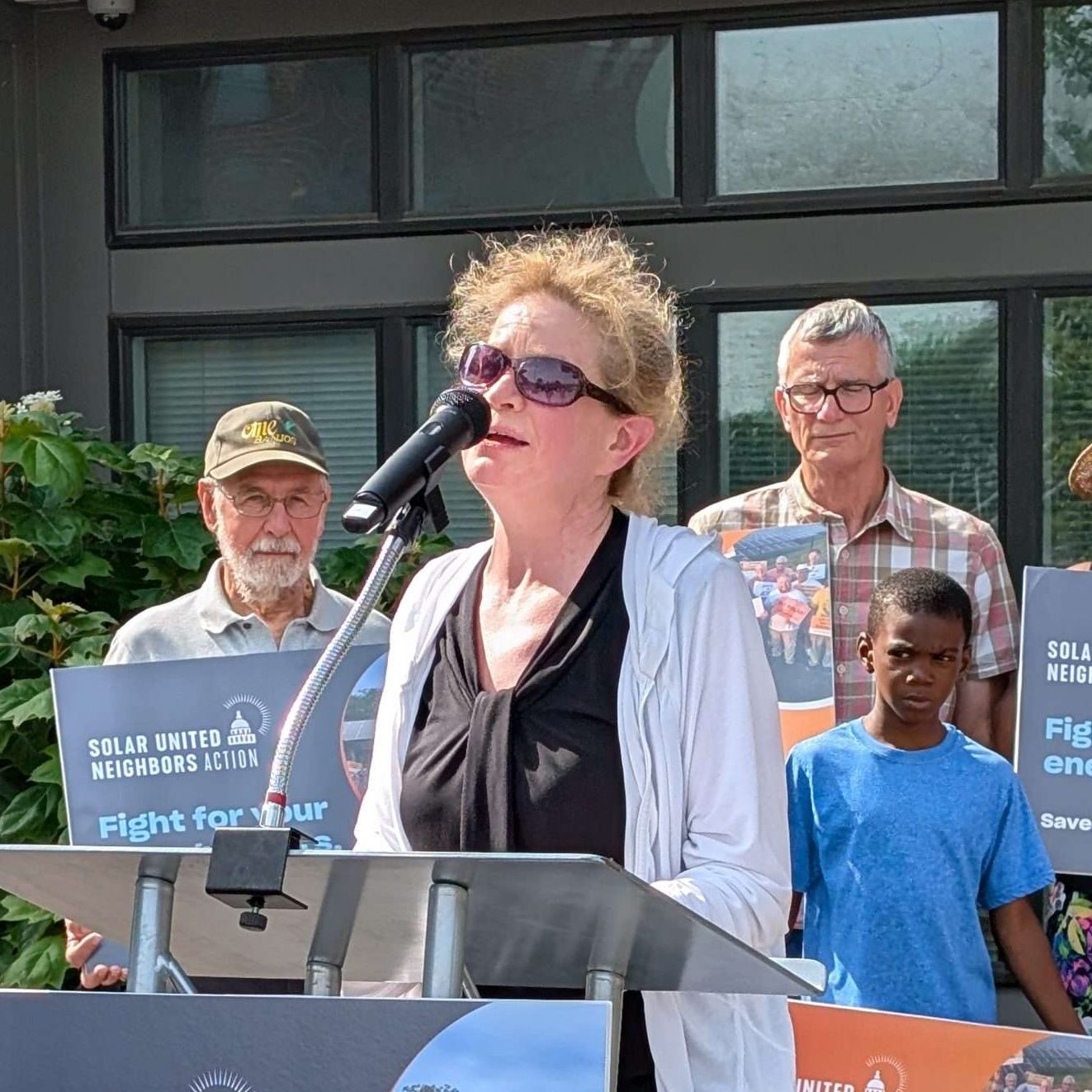
When Anne Mills and her family decided to install solar panels on their 1869 home in Greensburg, Indiana, they weren’t just making an energy upgrade—they were challenging the norms of a skeptical town.
“We’re technically 100% solar,” Mills explains, clarifying that while they still draw some power from the grid during high-demand periods like air conditioning season, their 22-panel solar array covers their annual energy usage. “We give back to the grid a lot… and even though we no longer have net metering, you still feel like you’re doing something good.”
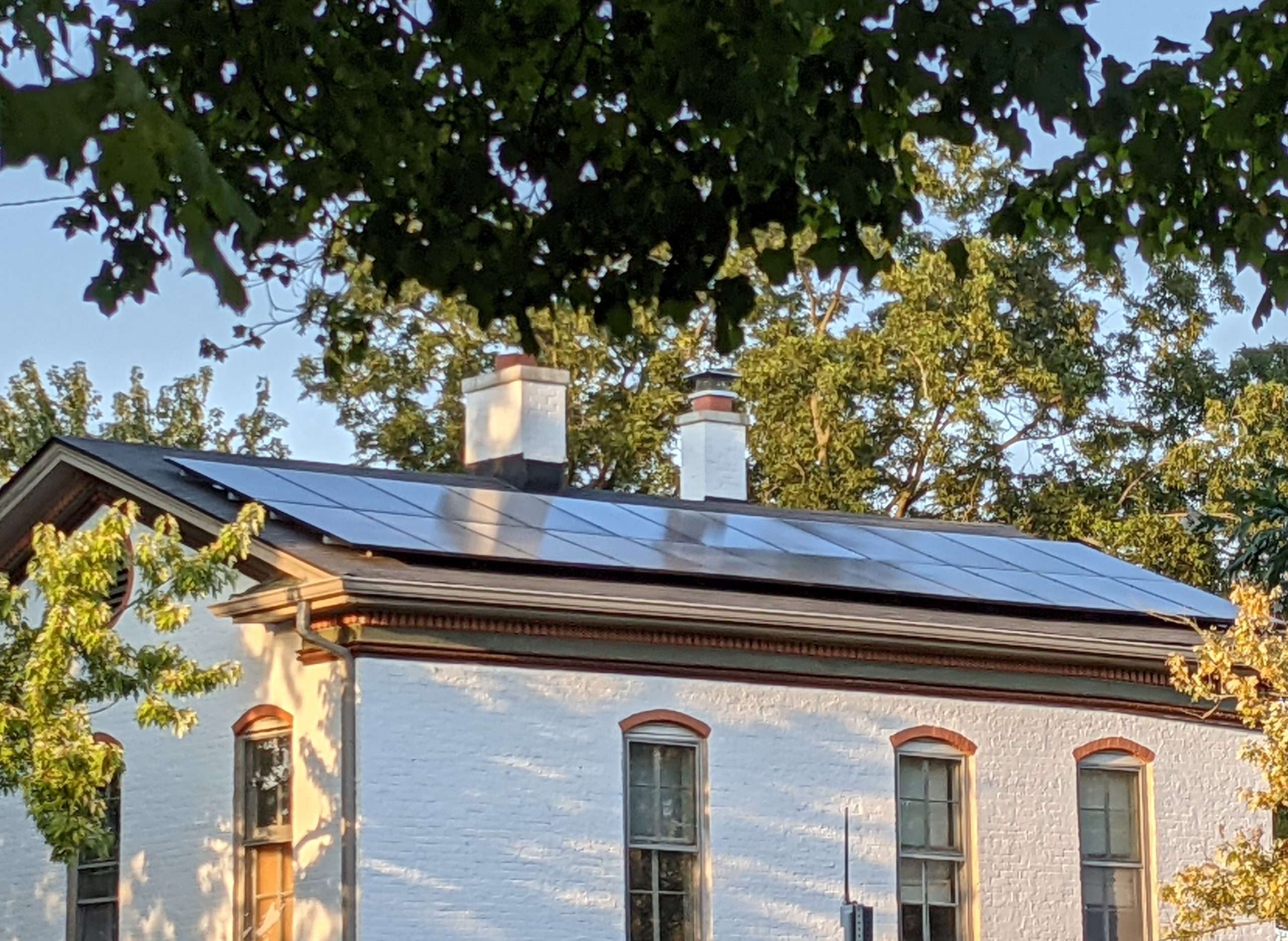
Fitting solar on a house over 150 years old was no easy task. “Our house was built in 1869… it was a weird scenario to try to get solar, not just with the cost, but the logistics of where we’re located and how to do it.”
Despite the challenges, Mills credits a local solar initiative spearheaded by Solar United Neighbors. A group buy program lowered costs significantly, allowing her to take advantage of both Federal and State tax incentives before they expired.
Installing solar wasn’t just a logistical feat—it was a cultural one. “Some folks don’t really like solar,” she says. Initial reactions from neighbors ranged from skepticism to outright disapproval. “People thought it would be really ugly… but a couple neighbors were amazed that they can’t really even tell the panels are there. They blend into the black roof.”
While the financial return is part of the story—“On months we’re not running the air conditioner, our bill is almost zero”—Mills emphasizes a deeper motivation: the environment. “That’s really why we did it, to try to ease up a little bit on the electric grid and fossil fuels.”
Despite the personal success, Mills remains aware of the broader obstacles. With the repeal of IRA tax incentives for residential solar and local resistance to both residential and industrial-scale solar, the future of clean energy in her town remains uncertain. “They’re trying to build an industrial solar farm outside of our town now, and that’s facing a lot of pushback.”
Still, she remains hopeful that with continued advocacy and education, more people will see solar as a worthwhile investment. “It’s so simple… once they’re installed it’s like you don’t even know they’re there.”
And perhaps most importantly, Mills offers a reminder that clean energy isn’t just about economics or technology—it’s about values. “You kind of got to go all in… it’s worth the investment, both personally and for the bloody world.”